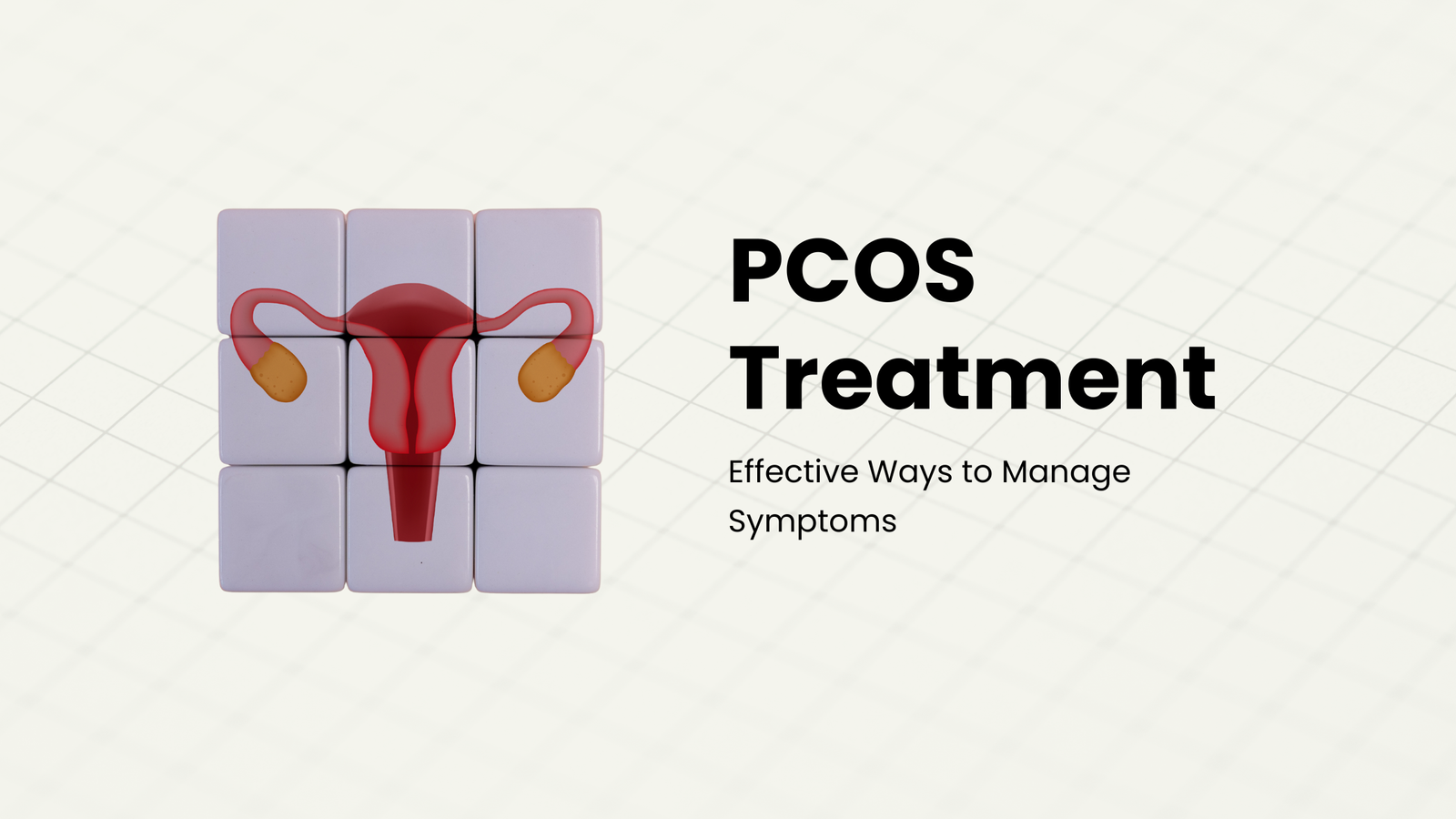
PCOS Treatment: Effective Ways to Manage Symptoms
Polycystic Ovary Syndrome (PCOS) is a complex hormonal condition that affects millions of women worldwide, most commonly being diagnosed in the late teenage years or early twenties. It occurs when the ovaries produce higher-than-normal levels of male hormones (androgens), disrupting the normal ovulation cycle. This imbalance can cause multiple small cysts to form in the ovaries, leading to symptoms such as irregular or absent periods, weight gain, excessive facial and body hair, acne, and, for many, challenges with fertility.
Notably, research highlights that PCOS is more prevalent and often more severe among South Asian women, particularly those of Indian, Pakistani, and Middle Eastern descent. This heightened risk is believed to stem from genetic factors that predispose these populations to insulin resistance and hormonal sensitivity. Additionally, lifestyle and dietary patterns play a role, as many traditional diets rich in refined carbohydrates and processed foods can worsen insulin resistance. Although PCOS cannot be “cured,” it can be effectively managed through a combination of lifestyle changes, medical interventions, and targeted fertility treatments that restore hormonal balance and improve overall well-being.
Lifestyle Modification:
Since PCOS is closely linked with hormonal imbalance and insulin resistance, lifestyle modification is considered the first and most effective approach to management. Healthy routines can significantly ease symptoms and protect long-term health.
- Balanced diet: Focusing on whole grains, lean proteins, healthy fats, and fibre-rich vegetables stabilises blood sugar and supports hormonal regulation. Reducing processed foods and refined sugars is vital in improving insulin resistance.
- Exercise: A blend of cardio and strength training enhances insulin sensitivity and helps maintain a healthy weight. Yoga and meditation can lower cortisol levels, which influence hormonal balance.
- Sleep and stress management: Quality sleep and stress reduction are essential, as poor rest and chronic stress can worsen PCOS symptoms.
In short, consistent exercise, balanced nutrition, proper sleep, and mindful stress control are powerful tools in reducing PCOS complications and improving daily health.
Medication
While lifestyle changes form the foundation of care, medications often play an important role in managing PCOS. Because symptoms vary, treatment is usually tailored to each woman’s needs.
- Hormonal birth control: Pills, patches, or IUDs help regulate menstrual cycles, reduce heavy bleeding, and protect the uterine lining.
- Anti-androgens: These medicines reduce excess facial or body hair, scalp hair thinning, and acne by blocking male hormone activity.
- Metformin: Commonly prescribed for insulin resistance, it lowers blood sugar, reduces androgen production, and may help restore ovulation.
By improving hormone balance, regulating cycles, and lowering insulin resistance, medication reduces the risk of type 2 diabetes, hypertension, and heart disease. When combined with lifestyle changes, medical treatment is most effective in managing PCOS symptoms and protecting long-term health.
Targeted Approaches for Fertility in PCOS
One of the greatest challenges of PCOS is its effect on fertility. Since ovulation is often irregular or absent, conceiving naturally can be difficult. Fortunately, several targeted approaches can improve outcomes.
Lifestyle optimisation is the first step. Even modest weight loss of 5–10% can restore ovulation and enhance reproductive function. When this is not enough, doctors may prescribe ovulation-inducing medications such as clomiphene citrate or letrozole to encourage the ovaries to release eggs. Women with insulin resistance may benefit from metformin, either alone or in combination with fertility drugs.
If these measures are unsuccessful, assisted reproductive technologies (ART) such as in vitro fertilisation (IVF) provide advanced options. IVF can bypass ovulation challenges and offer higher success rates, especially when other fertility factors are involved. Treatment is always personalised and fertility specialists adjust plans to each woman’s medical history, ensuring the best possible outcome.
Conclusion
PCOS is not a one-dimensional condition; it affects reproductive, metabolic, and emotional health. While it cannot be permanently cured, a holistic approach that combines lifestyle modification, medical management, and targeted fertility treatments offers effective symptom relief and long-term health protection. For some, simple lifestyle adjustments may restore balance, while others may require medications or advanced fertility treatments to achieve their goals.
PCOS doesn’t just affect the body; it can also impact mental health. Irregular cycles, fertility struggles, weight gain, and visible symptoms like acne or excess hair often affect self-confidence and may lead to anxiety or depression. That’s why emotional well-being is an important part of PCOS care. Counselling, support groups, and mindfulness practices such as yoga or meditation can ease stress and improve mood, while also supporting hormonal balance. A holistic approach that cares for both body and mind helps women feel more empowered in managing PCOS.
The key to managing PCOS lies in personalised care and early intervention. With the right support from healthcare professionals, along with consistent lifestyle changes, women with PCOS can not only manage their symptoms but also improve their quality of life, safeguard long-term health, and achieve their dreams of starting a family.